>
Søg efter dato

marts 2023

blog

Greenland women seek a reckoning for a 1960s Danish campaign to reduce births in Greenland

marts 31, 2023 • Af

From 1966 to 1970, during the so-called ”coil campaign” in Greenland that was set in motion by the Danish health authorities, about half the fertile women of Greenland — including girls as young as 13 — had an intrauterine contraceptive device, an IUD, inserted into their uterus.

Documents recently unearthed and testimony by women subjected to the campaign indicate that a significant part of the women were not aware of what happened or had not consented to the intervention. In some cases, where the parents of very young women should have been involved, they were not. There are indications that a number of those affected suffered severe pains, subsequent complications and infertility.

After decades of silence, still more women in Greenland are now publicly sharing their experiences and the coil campaign is being established as perhaps the most serious of all known Danish offenses in Greenland, a Danish colony until 1953 and now an integral part of the Danish Kingdom.
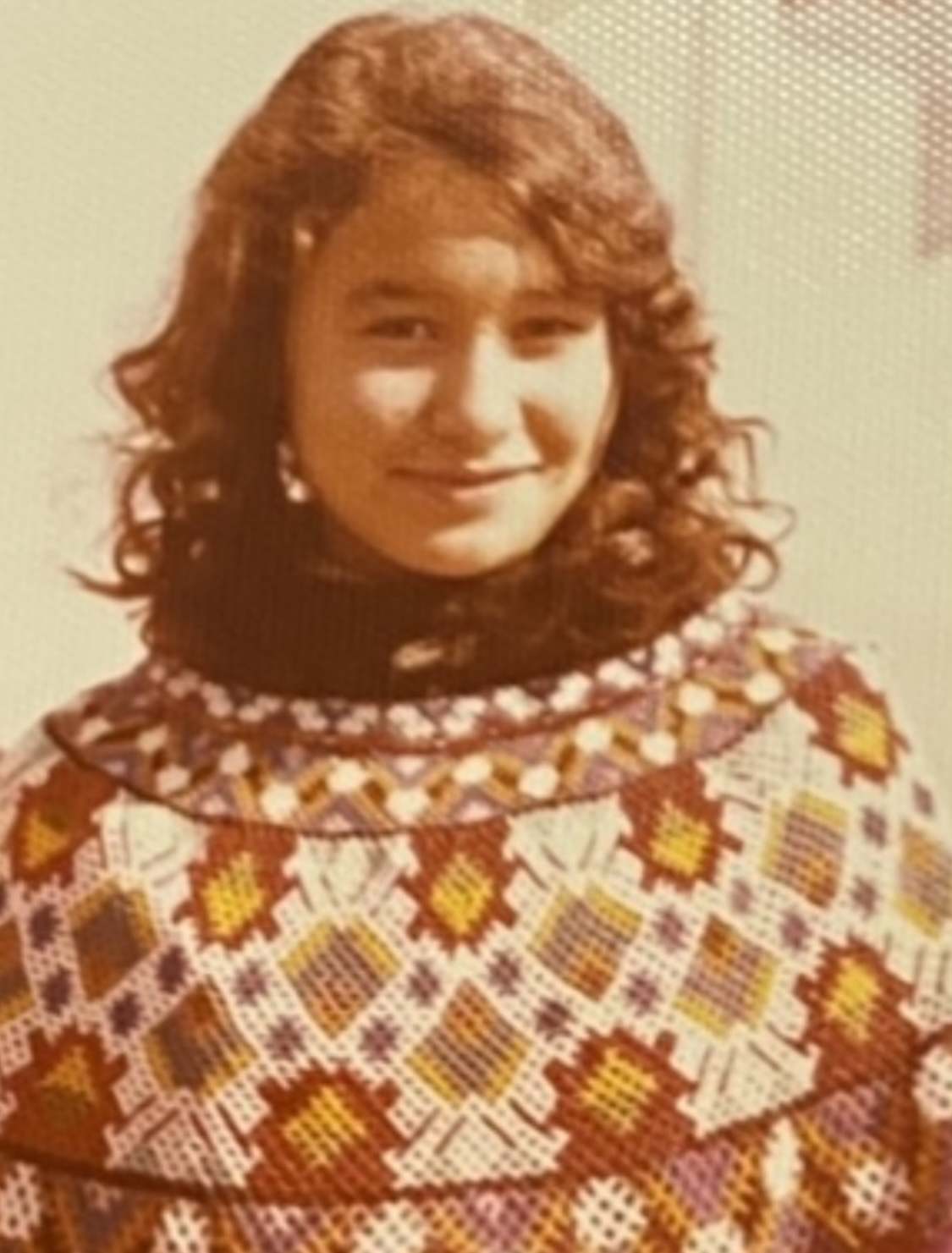
Naja Lyberth when she was 14. Today she is at the center of a campaign to assist those affected by the coil campaign. (Courtesy of Naja Lyberth)

The women involved had a coil, in many cases of the brand Lippes Loop, inserted by medical doctors, almost all of whom were Danish. At a request from the Danish Chief Medical Officer in Greenland, the Danish parliament in 1973 amended relevant legislation so that doctors in Greenland were no longer required to involve the parents of girls between 15 and 18 years of age before they advised them about birth control. It now appears that in several cases such advice was immediately followed by the insertions of a coil.

In the five years from 1966 to 1970, some 4,500 women had an IUD inserted, many in connection with an abortion or when giving birth. The campaign continued until 1974, but there are no records to tell how many IUDs were administered in the last years of the campaign.

The effect was considerable. Data from Statistics Greenland show that the number of births in Greenland dropped by some 50 percent in the early 1970’s only to rise slowly from then on.

In Greenland, some now use the term “genocide” to describe this campaign.

50 years later

The campaign resurfaced into public scrutiny in May 2022 when the Danish Broadcasting Corporation aired four podcasts detailing much of the relevant proceedings. Since then, additional information has been steadily forthcoming.

Today we know for instance that the zigzag-shaped Lippes Loop-coil must have sometimes been bigger than the not yet fully developed uterus of the youngest of the women affected. Reportedly, only the size D of the Lippes Loop coil was available in Greenland at the time, indicating that some women and in particular the youngest very likely suffered severe pain and possibly additional complications.

At least one early death has been connected to the campaign and fragments of other difficult lives are appearing through the now shared stories of abdominal pains, infertility, operations and complicated sexuality. As late as 2022, a gynecologist at Queen Ingrid’s Hospital in Nuuk, Greenland’s capital, extracted a Lippes Loop coil from the uterus of a patient.

The media in Greenland has closely covered new details recently emerging about the campaign and in February, Francisco Cali Tzay, the UN’s Special Rapporteur on the Rights of Indigenous Peoples, added the coil campaign to his report on possible violations of human rights in Greenland to the UN’s Human Rights Council.

Last year, Denmark’s then Minister of Health, Magnus Heunicke, and Greenlands Naalakkersuisoq or Minister for Children, Youth, Families and Health, Mimi Karlsen, promised a full investigation of the coil campaign. The investigation, however, has not yet begun.
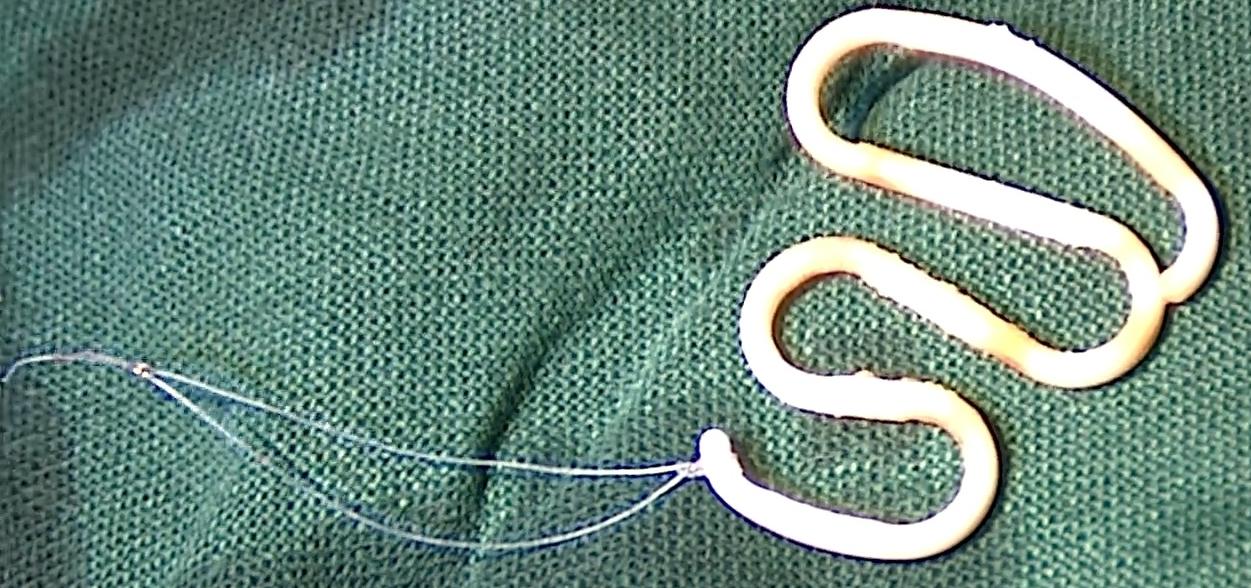
The Lippes Loop IUDl, was intended for long term use and available in many countries in the 1960’s (Journal of Postgraduate Gynecology and Obstetrics)

In Greenland, women adversely affected by the campaign are offered free medical or psychological help. In January, anybody affected by the campaign was asked to forward relevant material to the office of Greenland’s Chief Medical Officer in Nuuk. Data is also collected for the years after 1992, when the Greenlandic authorities took over responsibility for Greenland’s health sector. According to media reports in Greenland, some 30 women have so far provided information of their own experiences with the coil campaign. Nine women have reported that they were subjected to an IUD after 1992, even if they had not given their consent. The responsible doctors in Greenland may now face legal prosecution.

Women of the Year

A group of some 130 women in Greenland who are communicating primarily via Facebook are preparing court cases and demands for financial compensation from Denmark. Meanwhile, they are confronting the still-painful effects of the campaign.

In 2017, after almost five decades of silence, the groups’ moderator, psychologist and trauma specialist Naja Lyberth, became the first to talk publicly of her painful encounter with the campaign.

Last year, she featured as the main character in “Greenland’s Lost Generation,” a television documentary by the BBC, and on the BBC’s list of the World’s 100 most inspiring women. In February, she won the title of Arnatsialak or Woman of the Year in Greenland.

“I have found out that I was not 14 years old, but actually only 13, when I had my coil,” she explains via Zoom from her home in Nuuk.

She skipped a grade at the school in Maniitsoq, her hometown, and was therefore summoned at a particularly young age. She was not sexually active, she was not yet 15, and her parents were not asked to consent. Describing the pain, she evokes images of knives, but afterwards she did not talk about the intervention with anyone.

In 1992, she finished her education as a psychologist in Denmark and later received additional training as a trauma specialist. Today, she has served for a number of years on a team of specialists organized by Greenland authorities which travels across the country to help adults suffering from trauma as a result of childhood sex abuse.

Some years ago, Naja Lyberth realized that she was suffering from similarly trauma herself:

“When I entered my menopause, I had strong menstrual pains and many of my symptoms reminded me of the pains I experienced when I had my coil. Once again, I felt that something was too big for my body, just like the gynecological tools and the coil back then. My body, my uterus, all my abdomen reacted,” she says.

During her training as a trauma specialist she managed to treat her own trauma and she is now eager to assist others:

“It can lead to very serious retraumatization if you are unprepared and suddenly reintroduced to your old trauma. You may feel unprotected and vulnerable, so it is important that you are convinced that you are protected by your surroundings and that you feel you are able to protect yourself. This is particularly important,  because we now know that we were subjected to a large and politically orchestrated campaign,” she says.

“I knew that many would ask why they have been unable to get pregnant. We all know someone, our cousins or other women, who have been unable to have children. I assumed that some of them would be retraumatized,” she says.
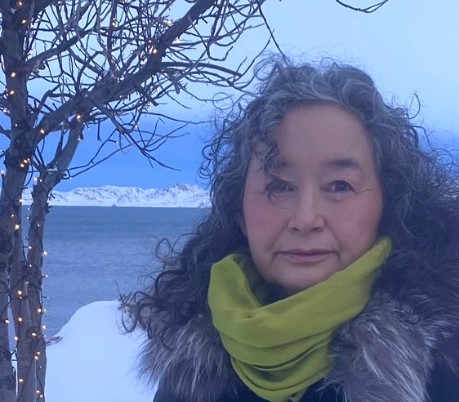
 
Today, Naja Lyberth, who is trained as a trauma specialist, is helping Greenlandic women confront their experiences with the so-called “coil campaign.” (Courtesy of Naja Lyberth)

She compares her own reactions to those she finds with victims of sexual abuse.

“You are commanded by your fear. You feel shameful and embarrassed. You say nothing because you are afraid you will be judged or shamed,” she says. She places full responsibility for the coil campaign on Denmark:

“The doctor was only the extended arm of the state of Denmark,” she says.

“I was not allowed to rule over my own body or my uterus. I feel as if my body was colonized. Today, I have taken back my authority through my protests. I have decolonized my body, but I have no doubt that our bodies were colonized back then. It is only now that my body and my psyche no longer belong to the (Danish, ed.) government.”

She never told her parents what happened back then, but last year she visited their graves in Maniitsoq.

“I wanted to tell them everything. Your uterus is the most private of all and all the way in there I was subjected to an unwanted intervention. They violated not only our genitals and our hymens. They forced their way into our innermost organs. That was far too violent to handle for a young woman, so everything got suppressed until my body remembered it again,” she says.

Meanwhile, she found a possible explanation why so many allowed themselves to be subjected to the coil campaign without protest:

“In the older times we had to live in tight communities and let our leaders command the greater family in order that we could act together and make sure that all survived the harsh conditions. Already before we are able to speak, it is implanted in our superegos that we should not oppose authority,” she says. Which may explain, she finds, some of the traumas now surfacing:

“We suppressed our natural urge to fight or flee, which is why trauma occurs. Wild animals do not get traumatized because they don’t suppress their reflexes. They fight or flee when they have to. Afterwards they rest behind a bush and soon they are ready to move on. We did not have that option,” she says.

Single mothers

The promised probe into the campaign will be designed to unearth among others what motivated the Danish authorities to launch the campaign. In the 1960s Greenland’s population had the highest growth rate of any population in the world —but it is not clear why the Danish authorities found this so alarming that a campaign was deemed necessary.

In 1963, Mogens Boserup, a Danish economist deeply involved in Denmark’s efforts to modernize Greenland, explained in a book about Greenland’s economy that he saw no reason for “significant concerns regarding the growth of the Greenlandic population, even if it is close to a world record.”

On the contrary, Boserup described the number of children in Greenland at the time as economically beneficial since it would ensure sufficient workers to steer Greenland into a more prosperous future. His conclusion: “No regard to the growth of the population indicates that economic policy should involve in the relevant future propaganda in favor of birth control.”

Other reasoning behind the coil campaign may have been founded on Danish concerns about sexuality and family structures in Greenland. When the number of births in Greenland peaked in the 1960’s, more than one in four children were born by single mothers, a phenomenon that could have disturbed key actors in Denmark at the time.
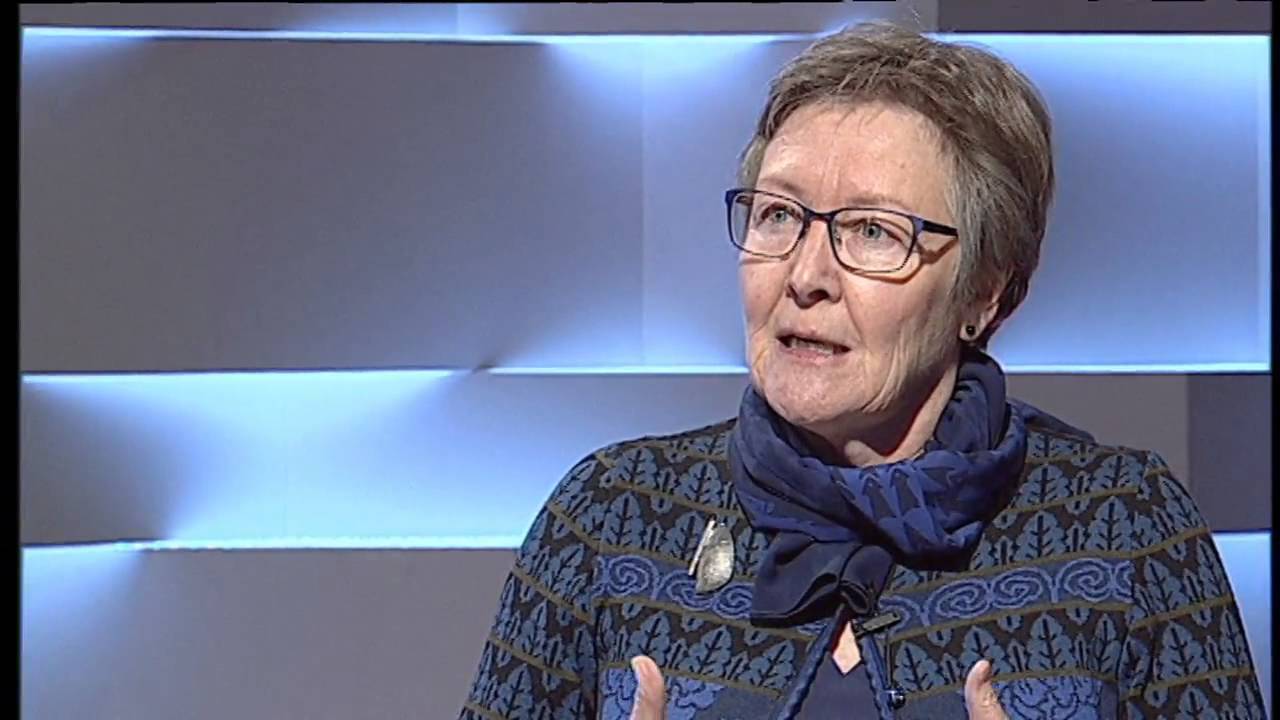
Asii Chemnitz Narup, the former mayor of Nuuk and member of Inatsisartut, Greenland’s parliament

Lyberth accuses the designers of the campaign of a lack of cultural understanding: “Suddenly we had to learn Danish and live in nuclear families instead of our extended families,” she says.

“To have children, grand-children and great-grand-children was our security in old age. Our extended families were self-sufficient and children were our pension fund,” she says.

Genocide

Last year, as the coil campaign became publicly known, Aki-Matilda Høegh-Dam, one of the two Greenlandic members of the Danish parliament, was among the first to use the term ”genocide” as she lashed out against campaign. Today she no longer stands alone:

“At first I wondered if it was really necessary to talk so loudly to be heard, but I have come to a new understanding, so thank you to Aki-Matilda,” says Asii Chemnitz Narup, former mayor of Nuuk and presently a member of Inatsisartut, Greenland’s parliament, for Inuit Ataqatigiit, the main party in Greenland’s governing coalition.

“Thousands of Greenlandic lives were never conceived. It was a violation of the individual woman’s life and of the life of her partner, but it was also a violation of our society that has been deprived of a great number of citizens. Numerous talents and individuals, dreams and laughter, strength and a wealth of ideas has been lost to us as a people and as a country. It is a crime against Greenland and our people. I may sound as if I am exaggerating, but that is how I feel,” she told ArcticToday.

The term “genocide,” according to the UN convention to prevent it, applies if proof is provided that one or more clearly identifiable and still living individuals has had the “intent to destroy, in whole or in part, a national, ethnic, racial or religious group,” and took actions inlcuding  “imposing measures intended to prevent births within the group.”

The Danish Institute for Human Rights and the Human Rights Council of Greenland have jointly appealed to the Danish government to secure compensation and recognition of the abuse suffered by the women involved.

“We are talking of systematic and serious violations of some very basic human rights,” says the director of the Danish Institute for Human Rights, Louise Holck. Neither of the two human rights bodies, however, have so far used the word genocide.

“Based on what we know from other cases it is very hard to prove that an actual genocide has been committed, partly because intent by one or more individuals  — civil servants, politicians, doctors or others — to destroy the population partly or entirely has to be proven,” says Holck.

A formal indictment pertaining to genocide would have to be opened by the Danish public prosecutor against individuals still alive, not against the Danish state. Proof would have to be at hand that the relevant individuals wanted to curb the number of births in Greenland not for economic or moral reasons, but based on ethnic or nationalist hatred.

The investigation of the coil campaign promised by the governments in Nuuk and Copenhagen is expected to take at least two years. According to a formal announcement, it will involve hearing of witnesses. The findings will feed into a larger probe of all controversial Danish deeds in Greenland since World War II which was agreed between Greenland’s Premier Muté B. Egede and the Prime Minister of Denmark Mette Frederiksen in June 2022.

First published on ArcticToday. com  30th March 2023 / this is an edited version

blog

Ny storfilm løfter det grønlandske krav om afkolonisering til nye højder

marts 23, 2023 • Af
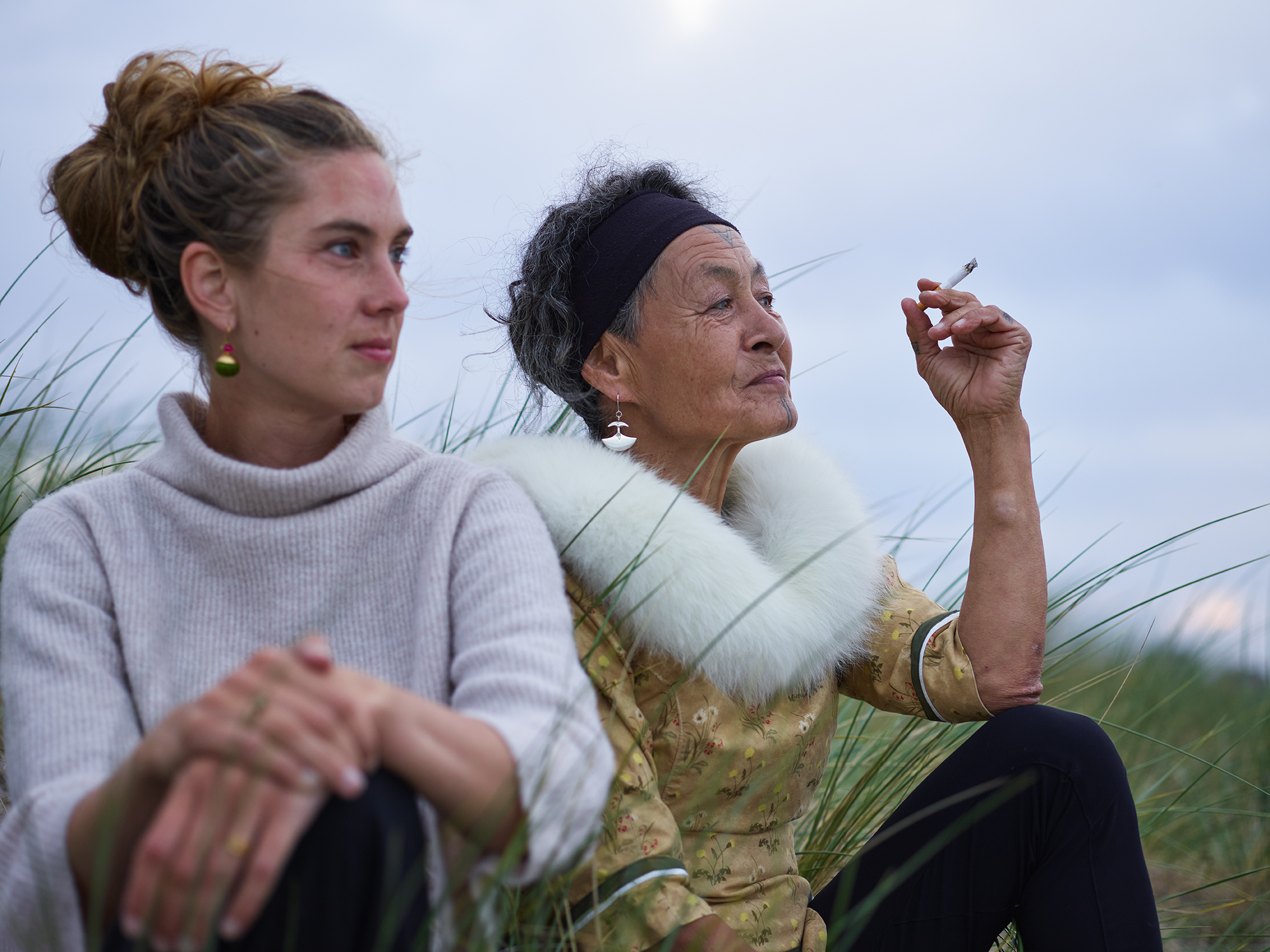
Aaju Peter med cigaret og instruktøren bag Twice Colonized, Lin Alluna (DK) 


Lad os antage, at et flertal af vælgerne i Danmark fortsat deler den opfattelse, at Danmark i Grønland i det store hele har handlet “i den bedste mening” og “til gavn for Grønland”. Fortællingen modsiges ihærdigt af mange grønlændere, forskning, litteratur og medier, men den har mere end 100 år bag sig og stadig godt fat. Denne danske konsensus om historiens rette fortolkning har løbende understøttet danske regeringers håndtering af relationen til Grønland, og et flertal på Christiansborg har som oftest bakket op, også når samarbejdet ikke har udviklet sig til Grønlands tilfredshed.

Men måske er forandring på vej – som i Canada, Sverige, Norge og Finland, hvor forholdet til de oprindelige folkeslag i Arktis også er til fornyet bearbejdning.

Onsdag i sidste uge fik den danske fortælling om relationen til Grønland eksempelvis nyt unikt modspil af grønlandske Aaju Peter, 62, og den ny sejrrige dokumentarfilm Twice Colonized. Her leveres et omgående forståeligt indblik i den grønlandske vrede og det intense ønske om forandring.

Filmen blev modtaget med stående ovationer i en udsolgt DR-koncertsal – udvalgt, som den var, blandt hundredvis af konkurrerende værker som åbningsfilm ved CPH:DOX, en af Europas største festivaler for dokumentarfilm.

Filmens nordamerikanske premiere fandt sted på Sundance Film Festival i januar, en af de mest prestigiøse i USA. Filmen vises nu i en stribe biografer; senere på DR.

Afkolonisering

Et interessant perspektiv åbner sig: Hvad sker der, hvis den danske offentlighed for alvor får dybere forståelse for de psykiske ar, vreden og traumerne, som i årtier har understøttet selvstændighedstrangen og senest “decolonize”-bevægelsen i Grønland?

Ønsket om et opgør med fortiden, forsoning og mental afkolonisering af både danskere og grønlændere har endnu ikke noget stort følge i Danmark, og i det politiske kan det på samme måde ind imellem være vanskeligt at spore bredere forståelse, når den grønlandske utilfredshed med rigsfællesskabet får luft i den daglige mellemrigspolitik.

Et dugfrisk eksempel: Udenrigsministeriet har for nylig igen udpeget en dansk diplomat som ny arktisk ambassadør for kongeriget. Også i de kommende år vil det altså være en dansker, ikke en grønlænder, der på rigets vegne leder forhandlingerne med USA, Canada, Norge og alle de andre arktiske stater om udviklingen i Arktis.

Sådan har det været siden den første arktiske ambassadør blev udnævnt i 2012 – til udtalt utilfredshed i Nuuk, og nu gentager mønstret sig. Den nye udnævnelse har anfægtet blandt andet MF’er Aki-Matilda Høegh-Dam (S) og Kuno Fencker, medlem af Inatsisartut, det grønlandske parlament (S).

Som man kunne læse her på Altinget forleden, mener de to politikere, at posten som arktisk ambassadør burde varetages af en grønlænder.

At have kendskab til regionen, sproget og kulturerne i Arktis må være en vigtig kvalificerende kompetence, mener de, men fra Christiansborg afvises de af en stribe partier for at se stort på centraladministrationens hævdvundne fokus på merit og kompetence; SF og Dansk Folkeparti mener, at de to har et uacceptabelt racehensyn for øje.

En sådan afvisning var med stor sandsynlighed ikke blevet accepteret i DR’s koncertsal den aften, publikum rejste sig for at klappe af Aaju Peter og Twice Colonized. I denne lomme af Danmark herskede en ganske anden grad af forståelse for nødvendigheden af afkolonisering, genoprejsning, øget repræsentation og magt til og i Grønland.

Filmen forbinder med kompetente greb seerens eget følelsesregister direkte med Aaju Peters smerte og vrede. Her kræves ingen akademiske forkundskaber eller politisk erfaring for at forstå, at koloniseringen af Grønland og dens nutidige senfølger har skadet et i øvrigt begavet, musisk, empatisk og engageret menneske.

Som Weekendavisens Tine Eiby skrev efter at have set filmen og talt med Aaju Peter: “Jeg forstår måske bedre end nogensinde, hvor meget skade Danmark og andre vestlige lande har påført inuit, hvad enten vi betragter os som koloniherrer i klassisk forstand eller ej.”

Vold og sult

Twice Colonized tegner et dragende portræt af Aaju Peter og hendes indsats for inuitter og andre oprindelige folk, deres rettigheder og levevilkår i Grønland, Nunavut og alle andre steder. Aaju Peters hører derfor direkte sammen med de kommende års diskussioner mellem Danmark og Grønland.

Den helt store udredning af Danmarks gerninger i Grønland siden Anden Verdenskrig er for længst aftalt mellem Mette Frederiksen og formanden for Naalakkersuisut, Mute B. Egede, men erfaringer ikke mindst fra Canada viser, at udredninger ikke gør det alene.

Går det som i Canada, hvor en omfattende forsoningsproces har været i gang i 15 år, vil vi alle blive bedt om at deltage, gå i tænkeboks om vores egen fortid og historieforståelse.

Her kan man udmærket begynde med Twice Colonize, hvor der er bud både til fortid og fremtid: Aaju Peter blev født i Grønland til en barndom med vold, alkohol og sult; affaldet på dumpen var en del af kosten. Hun var hurtig i skolen og blev som mange andre som 11-årig rykket til Danmark for at lære dansk.

Hun flyttede fra den ene plejefamilie til den næste, til hun var 18. Da hun returnerede til Grønland, havde hun mistet sit sprog og fik aldrig for alvor genoprettet forholdet til sin familie.

Hun flyttede til Nunavut i Canada med en kæreste derfra, tog en jurauddannelse, fik fem børn, blev skilt. Hun dannede nyt par med en hvid, canadisk kæreste, alkoholen trængte sig på; der var kærlighed, men også vold og tvang.

Da de fem års optagelser til Twice Colonized tager fart, er hun rykket fra kæresten, hun er ædru, men får så af politiet at vide, at hendes alt for unge søn har begået selvmord. Hun knækker igen, men rejser sig af asken; ikke mindst for børnebørnenes skyld.

Aaju Peter – foto fra filmen Twice Colonized

Forsoning

Aaju Peter er aktivist, et kraftvarmeværk af vrede og handlekraft med et tilsyneladende ukueligt håb og uudslukkelig trang til at få så mange som muligt af alle slags engageret i afkoloniseringen i Grønland og Canada.

Hun har arbejdet for inuitternes ret til at jage sæler i årtier og modtog i 2012 the Order of Canada. I Nunavut underviser hun de lokale i Inuktitut; mange taler ikke sproget længere eller fik det ikke lært fra barnsben. Hun arbejder for oprindelige folks rettigheder i Grønland, Nunavut, alle steder.

“Min kamp startede de jeg var 18. Jeg havde fået nok af kun at være dansk, kun tale dansk, og kun gøre alt, hvad danskerne ville have, at jeg gjorde. Jeg var så pissed off, at jeg skiftede navn. jeg ville ikke have noget som helst at gøre med dansk eller Danmark mere,” fortalte hun mig under en times samtale før filmpremieren – på engelsk.

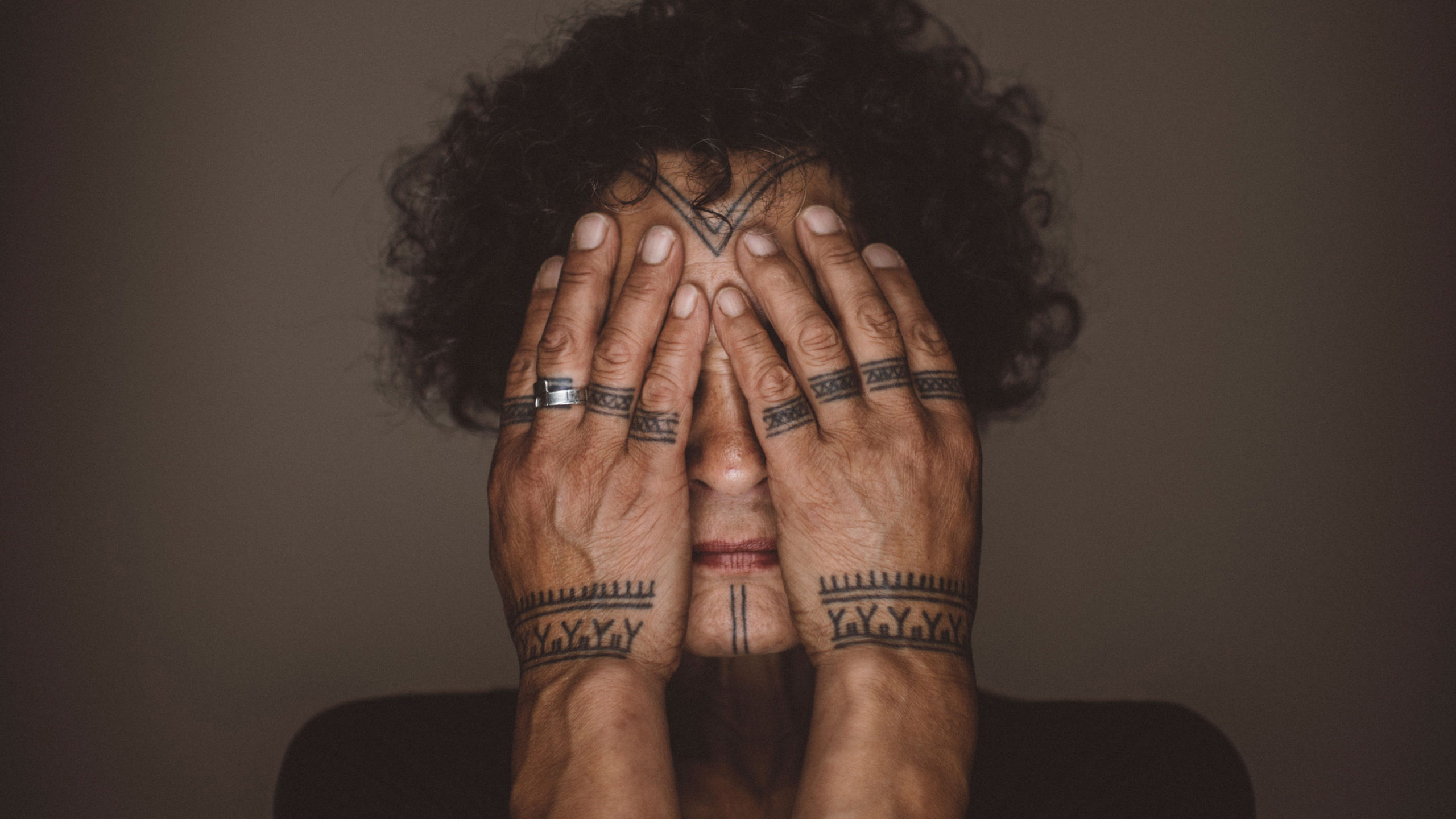
Hun giver gerne interview; hun er ved at være et ikon, på forsiden af avisen Sermitsiaq i Grønland i sidste uge. Hun var blandt de første til at genopfinde de arktiske tatoveringer, der nu kendes også fra deltagere i den såkaldte “decolonize”-bevægelse i Grønland, hvor globale identitetspolitiske strømninger også afspejles.

“Hvis du vil forstå, hvad kolonisering og det at blive koloniseret betyder, er det, når din selvstændighed bliver taget fra dig af en fremmed magt, et fremmed sprog, og når fremmede kulturer og normer tvinges ned over dig,” siger hun.

Hun bruger sine erfaringer til at skabe dialog og forandringer, ikke yderligere vrede og raseri. Hun anser koloniseringen for at være årsag til store dele af de sociale afgrunde i Grønland og Nunavut; fattigdom, nye såvel som gamle traumer, inklusive de mange selvmord.

Hun afsøger gerne fortiden, hun maler arven i de mørkeste farver, men hun anbefaler parterapi til Danmark og Grønland. Dialog, ikke konfrontation:

“I Canada er nøgleordet forsoning. Vi er nødt til at gøre det på en venlig og åben facon. Der har været megen smerte, og vi gør os mange antagelser, men vi er nødt til at lytte til hinanden, ikke gøre det personligt: ‘Det var din fejl’, ‘du gjorde dit og du gjorde dat’. Nej, det duer ikke. Vi har brug for venlighed, ydmyghed og tålmodighed. Venlighed og forståelse er mit mål,” siger hun.

“Twice Colonized” (92 min.) En film af Lin Alluna (DK), skrevet og levet, som PR-materialet siger, af Aaju Peter. Produceret af filmselskaber i Grønland og Nunavut: ÁNORÂK FILM, RED MARROW MEDIA, EYESTEELFILM and REEL PICTURES.

Denne text blev først publiceret på Altinget/Arktis 23. marts 2023


blog

A new documentary is a cry for decolonization across the Arctic

marts 22, 2023 • Af

A still image from the new documentary film “Twice Colonized.” (David Bauer)

If you have been wondering what it feels to be colonized, to find that your land, your people, your body and mind have all been subjected to the will and whims of a foreign colonizer, Aaju Peter and the new documentary, Twice Colonized, in which she is portrayed, will most likely help.

Peter, who is Inuit, is trained as lawyer, and works as a human rights activist. She’s a powerhouse of anger, willpower and a the desire to raise others into alacrity and action. She has campaigned for decades for the rights of Indigenous peoples of the Arctic to hunt seals and received, in 2012, the Order of Canada. Today she is advocating the establishment of a formal, consultative Indigenous Forum within the European Union. In Iqaluit, Nunavut, where she lives, she teaches Inuktitut, the local Inuit language, to those who have lost it or never had it. She struggles for the cultural rights, land rights and all other rights of indigenous peoples whether in Greenland, where she was born, in Nunavut or elsewhere.

The loss

During the five years it took to shoot “Twice Colonized” Aaju Peter lost her young son to what appears to be suicide; a mindnumbing tragedy, a life ended far too early by a fall from the 10th floor.

You may, as I did, misunderstand the film as saying that it was this unbearable loss that propelled Peter to pursue, as she does, every available opportunity to take back her powers, her body and soul and to urge all of us — the colonizers as well as the colonized — to decolonize ourselves so that our children and grandchildren may hopefully live free from colonialisms restraints.

It is a tempting interpretation, but also, as I learn when we meet, a far too easy one.

“My fight started when I was 18. I had had enough of only being Danish, of only speaking Danish, of only doing everything the Danes wanted. I was so pissed off, I changed my name. I didn’t want anything to do with Danish or Denmark or anything,” Peter tells me.

She is in Copenhagen for the opening of Copenhagen Dox, one of Europe’s largest festivals for documentaries, where Twice Colonized featured as the lead show and received standing ovations. The film premiered in North America in January at the Sundance Film Festival in Utah and will continue to festivals in Canada and elsewhere.

The film “Twice Colonized” documents the decolonizing work of Aaju Peter, an Inuit lawyer from Greenland who lives in Nunavut. (Angela Gzowski)

It is all about colonialism and how it affects the individual:

“Some white people say to me, ’hey, but you got something good out of it. You have a good education and all these nice experiences.’ And okay, I say, that’s probably fine from where you’re standing, but I’m telling my story and how it affected me,” Peter tells me.

“I was born into a Danish colony, even though Denmark didn’t want to call it a colony. And it’s not only the land that is colonized. It’s the person, the people and their minds.”

At the age of 11 she did well in school and was put on a plane from Greenland to Denmark, as many other young Greenlandic children at the time. The idea, very much a colonial concept, was that the children would learn Danish, be cultivated, educated and returned to Greenland to lead their nation into a brighter future. To Peter, who stayed in Denmark until she was 18, the passage turned into debilitating loss:

“I had to learn a new way of thinking, a new way of expressing anything. A different culture, different people, different heritage. That’s how I ended up speaking Danish and when I went back to Greenland, I couldn’t speak my own language. My mind and my thinking was so colonized,” she says.

She found herself unable to reconnect meaningfully with her family and community. Instead, she left. She met an Inuit from Nunavut and followed him to Iqaluit, which seemed as far away from Denmark as she could get.

“I moved to the Canadian Arctic which was colonized by the Canadian state, so now I was twice colonized. That’s where the title came from,” she says.

From the screen we learn that Peter later partnered with Marcus, a white Canadian and then broke up with him again. The film evokes much love and longing, but also obnoxious abuse and pain. The viewer never meets Marcus in the flesh, only as a manipulative and accusing voice on Peter’s mobile phone.

“I had to learn English and I took my law degree in English. That became my third identity, and then I had to deal with the English-speaking state and live with southern white people, which became a fourth form of identity. So I am a living, breathing quadrilingual and quadricultural person. If you are looking for the meaning of colonization and being colonized it is when all your autonomy is taken from you by a foreign state, a foreign language, and when foreign cultures and customs are imposed on you,” she says.

The demons

By the film’s promotion material we are told that Peter is “on a personal journey to confront the demons of her past,” but she is surely also very much concerned with the present. On screen she dances riotously to rock music, she cries and laughs, obviously determined to live, feel, speak, journey and act as she must. At one point in the film, she seems to collar any demons she might still be harboring and expertly bends them to her own devices: “Your experience is your power,” she exclaims.

Peter wants to turn also the more painful elements of her past into dialogue and change, not into additional anger or rage. She points at colonialism as the source of so many current ills, including the many suicides in Nunavut and in Greenland, but she urges dialogue, not conflict or confrontation. She wants to assist others who feel trapped, as she has felt trapped, by colonialism past and present. She strives to include, not exclude, as many as possible in the decolonization process:

“In Canada the buzzword is reconciliation. We have to do it in a kind and open way. Be kind to each other. There was a lot of hurt and there are so many assumptions. And we don’t want that. We have to listen to each other, not make it personal: ‘It was your fault’ or ‘you did this and you did that’. No, that’s out, that is not permissible. We need kindness, humility and patience. Kindness and understanding is my goal,” she tells me.

On screen she coins a catch-all: “It’s not about why it happened, it is about how we make it stop.” Not that she wants to obliterate the past or paint it in rosier colors; on the contrary. In the film she journeys to Denmark to revisit her past and she travels with her brother to Nanortalik in southern Greenland; a painful recollection of a rough childhood and an angry father. Hunger was close and discarded fruits from the dump part of the diet. She seeks to acknowledge the past, but as a window to a better future:

“I think many of us just stop there because the ‘how-to-stop-it’ is just too much work. We see suicide happening all over. We see homelessness everywhere. We see abuse. We see so many injustices in our everyday life. But do we do something about it? No, we go, ‘oh, I’m too busy’,” she says.

On screen she writes the first sentence of a book: “Is it possible to change the world and mend your own wounds at the same time?”

She travels extensively, and seeks out any and all that might inspire her or be inspired themselves. She calls on other Inuit in particular, but also on many others, including a Sámi community in northern Sweden. She embraces the young, the old, politicians, students and all in between:

“It is really up to you. It’s up to us to do something. If we all decided to put in one, five or ten percent of our everyday life to do something with issues that we care about we could move mountains,” she says.

“That’s what I would like to see. It’s not good enough to just say something. There’s way too many people who just say something and don’t go past that.”

“Twice Colonized” (92 min.) by Lin Alluna (Denmark), written and lived by Aaju Peter. “Twice Colonized” was filmed in Nunavut, Canada, Greenland, Denmark, Brussels,  New York and in a Sámi community in northern Sweden. Produced by Emile Hertling Péronard, Alethea Arnaquq-Baril, Bob Moore and Stacey Aglok Macdonald, a team bridging both Greenland and Nunavut. ÁNORÂK FILM, RED MARROW MEDIA, EYESTEELFILM and REEL PICTURES.

This text was first published on ArcticToday.com on March 22, 2023


blog

Russia gets approval for much of its Arctic Ocean seabed claim

marts 1, 2023 • Af
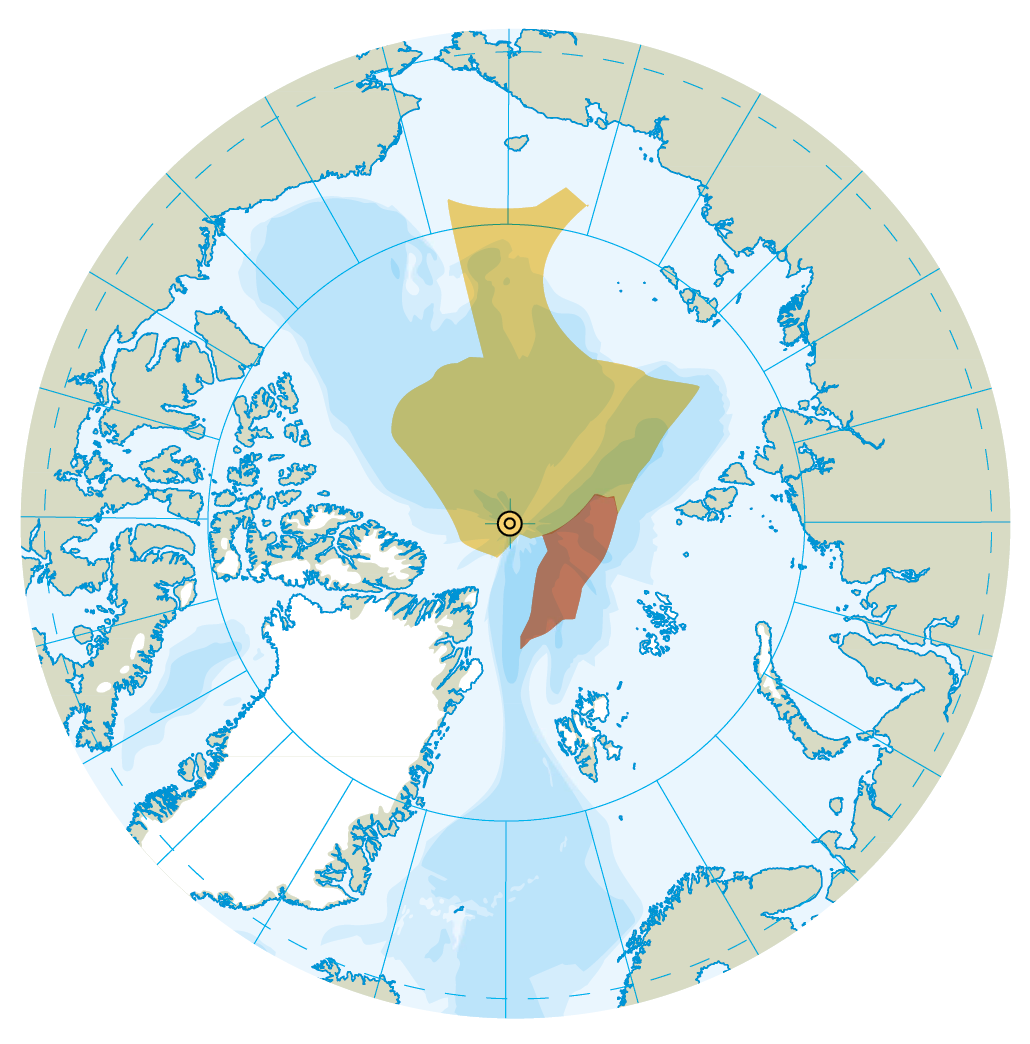
A map of the Arctic Ocean shows the approximate extent of the area where the UN CLCS approved the data associated with Russia’s claim (yellow) and for which it requested more information (brown). This coverage of the CLCS’s approval – which appeared in Weekendavisen in Denmark and on ArcticToday.com in the US – became the first media coverage of the event in the world. (Andreas Peretti / Weekendavisen / DK)

After more than 20 years of extensive diplomacy and expeditions with icebreakers, research vessels and submarines under the polar sea ice, Russia has received approving recommendations of the majority of its claim to the rights to the seabed in the central parts of the Arctic Ocean from the UN’s Commission for the Limitation of the Continental Shelf, the CLCS.

The CLCS, a body under the UN Convention of the Law of the Sea and the prime international authority on the rights of coastal states to the seabed beyond their maritime borders, reached that conclusion on February 6 in New York. Russia’s war in Ukraine has not halted the processing of its claim.

We do not know all the details, but the CLCS has released a 63-page summary. A qualified estimate based on the accompanying maps indicates that Russia has got the CLCS’ approval — or “recommendations” — of data and measurements in support of a claim for approximately 1.7 million square kilometers of seabed in the central parts of the Arctic Ocean. This is an area the size of France, Italy, Germany and Spain combined.

The CLCS’s recommendations of the Russian data and methodology are not the final words in the international discussion on the rights to the Arctic seabed, but the CLCS has now validated the majority of Russia’s claim.

The Russian claim — or “submission” in CLCS terminology — stretches from Russia’s exclusive economic zone in the waters north of Russia across the North Pole until it reaches the exclusive economic zones of Canada and Greenland, which is part of the Danish kingdom.

In the seas north of the Bering Strait and Alaska Russia’s claim stops at a straight line defined by a separate agreement with the U.S. from 1990 which delimits the territorial sea and continental shelf between the two nations.

Only a smaller portion of Russia’s claim, approximately midway between the North Pole and the Russian islands of Franz Josef Land and Novaya Zelma (see map above) was not, at the time of the CLCS final considerations, sufficiently documented in the eyes of the commission. Instead, the CLCS invited Russia to provide additional information, which Russia then did in a partially revised submission on February 14. The CLCS’s processing of this new information is now pending.

Strength and wealth

Russia has not issued any public statement in response to the recommendations from the CLCS, possibly because of the last outstanding issues, but the commission’s conclusions have long been anticipated. For more than two decades the government of president Putin has illustrated a strong interest in these developments.

Through its accumulated claims for some 75 percent of the seabed in the international parts of the Arctic Ocean, including the North Pole and its powerful mythology, Moscow has signaled its perceived strength and robustness to the Russian public and to the world. Several previous leaders of Russia and the Soviet Union have used the conquest of the Russian Arctic for similar projections of power and strength.

Only four days before the announcement of the CLCS’s recommendations of Russia’s claim, Russian President Vladimir Putin headed a discussion within Russia’s Security Council on the Arctic seabed.Exports of oil and gas from land based or offshore facilities in the Russian half of the Arctic already play a significant role in the Russian economy and for its ability to sustain its military invasion of Ukraine. The vision of still more riches from new parts of the Arctic seabed may possibly help bolster additional faith in the future of the Russia’s government, even if Western geologists have largely dismissed the idea of commercially viable oil and gas in the Arctic Ocean other than in the more shallow waters in the existing exclusive economic zones of Russia and other Arctic states.

Ministers from Putin’s government have attended several of the 30 some meetings held by CLCS and its relevant subcommittee in New York to discuss Russia’s claim.

Russia submits claim on the North Pole to UN – but oil aspirations seem dead in the water - Bellona.org


Meanwhile, parachuting Russian troops have practiced at the North Pole and in 2007 president Putin issued medals when two small Russian submarines planted a Russian’s flag on the seabed at the North Pole some 4,300 meters below the surface. In the run-up to the winter Olympic Games in Russia in 2014, a Russian vessel brought  runners and the Olympic Torch Relay to the North Pole, and orthodox priests have also blessed Russia’s Arctic endeavors at the North Pole.

It seems likely, therefore, that Moscow will celebrate the recommendations of the CLCS, and they will most likely be seen as a substantial victory for Russian science and technology.

As the Danish geophysicist Christian Marcussen, a former senior advisor of the Geological Survey of Denmark and Greenland and Project Leader of the Greenland parts of the kingdom of Denmark’s continental shelf project from 2003 to 2015, told ArcticToday: “If I had used decades on this case for Russia, I would call this a really impressive result of my life’s work”.

The contest continues

The CLCS’ recommendations of Russia’s claim should not be misread, however. The broad partial approval of Russia’s claim does not mean that Russia has now won the rights to the disputed parts of the Arctic seabed.

The Kingdom of Denmark (on behalf of Greenland) and Canada have also filed substantial claims with the CLCS and these are still waiting for CLCS evaluation.

Norway has filed claims in other parts of the Arctic Ocean and the U.S. reportedly has prepared, but not yet submitted to the CLCS, claims reaching from the waters north of Alaska towards the North Pole.

The claims of Canada and the Denmark/Greenland both overlap substantially with Russia’s and the UN Convention of the Law of the Sea stipulates that in such cases any disagreement about the final borders will have to be settled by the states themselves.

The CLCS will evaluate whether the claims of each state is supported by sufficient data and correct measurements but the CLCS will not serve as arbitrator, if any other state — say Canada —  provides data to prove that the seabed in question connects to its continental shelf in the same way it connects to Russia’s.

“The CLCS in its summary explicitly explains that the CLCS will not determine how the pie should finally be delimited. It does so precisely to avoid misunderstandings,” Marcussen told ArcticToday.

Large overlaps

The Danish Kingdom’s claim to the seabed in the Arctic Ocean amounts to some 895,000 square kilometers. According to the Institute for Border Research at the University of Durham in Great Britain it overlaps with Russia’s claim by some 800,000 square kilometers. Canada’s total claim in the Arctic Ocean amounts to some 2.03 million square kilometers out of which some 1.5 million overlap with the Russian claim.

With the CLCS’ recommendations of Russia’s claim now at hand it seems more likely than ever that Danish, Greenlandic and Canadian diplomats will eventually meet with Russian counterparts to negotiate over very large tracts of seabed.

Previously, some observers have doubted whether the governments involved had sufficient data to substantiate the far reaches of their claims, but this doubt should now be waning.

The CLCS in its evaluation of Russia’s claim seem to accept largely Russia’s use of subsea mountain ranges in the Arctic Ocean as a departure point for its claim, something that has not previously been confirmed. This makes it more likely that  large parts of the claims by Denmark/Greenland and Canada will also meet the approval of CLCS.

The CLCS’ decision has reportedly been reached by consensus. To Bjørn Kunoy, a professor of international law and special legal counsel to the foreign service of the Faroe Islands, who has advised Greenland and other states in similar cases, this is noteworthy.

“The conclusions are strengthened by the consensus,” Kunoy told ArcticToday. This will benefit, he finds, all involved as it makes unlikely future challenges to the conclusions.

Kunoy also points towards the time frames involved. Most observers expect that the CLCS will find time to deal with the claim of the Danish Kingdom only by 2032 or later and that Canada will have to wait even longer. Other nations have filed earlier submissions to the CLCS and will be dealt with first.

In the interim, all parties including Russia will have to wait. Despite their largely approving nature, the CLCS’s recommendations of Russia’s claim does not give Russia license to operate on the disputed seabed.

”The point of fact that the submissions of the other contender states will only be considered at a later stage does not in any way challenge their entitlements, also where these will overlap with the area that falls within the entitlement of Russia,” Kunoy explains.

Some observers have speculated that Russia in the coming years of waiting may get so accustomed to regard the dispute as settled in its favor that the final negotiations on the subsea borders will be more difficult.

In the meantime, there are no known indications that Russia will abandon its adherence to the UN rules for peaceful delimitation of the Arctic seabed. Since 2001, Russia has followed the relevant regulations as stipulated by the UN Convention of the Law of the Sea. Moscow has accepted on an ongoing basis the CLCS’ admission of claims to the Arctic seabed by other states and that the CLCS will eventually deal with these as it has now dealt with Russia’s.

As this article was published on ArcticToday.com  27 February 2023 it marked the first media coverage in the world of the CLCS’ decision.